✨ Elevate Your Everyday Style | 🚚 Free Shipping Across India | 💰 Cash on Delivery/ Partial payment Available
✨ Elevate Your Everyday Style | 🚚 Free Shipping Across India | 💰 Cash on Delivery/ Partial payment Available

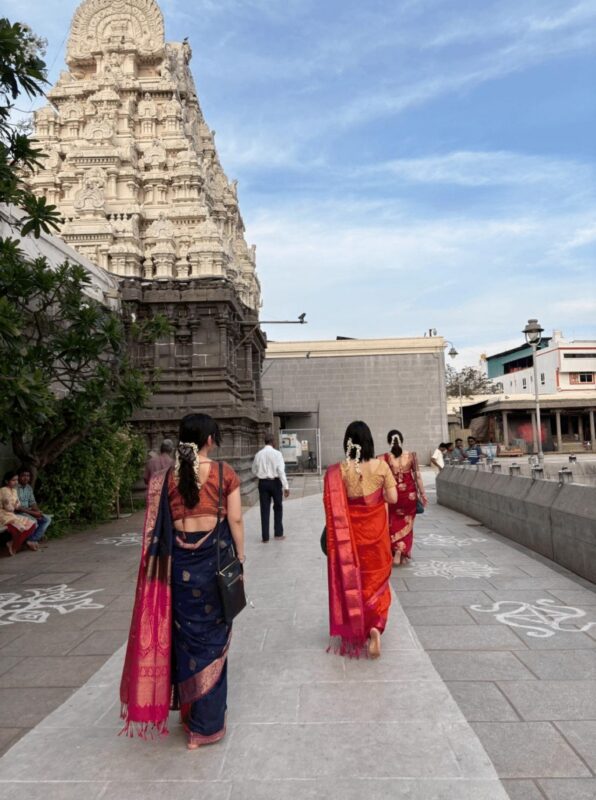
Temple dress code is an important consideration when planning a visit to a South Indian temple. A temple visit is not just another outing. For many South Indian women, it is a moment of devotion, tradition and peace—and choosing the right outfit is an important part of that experience.
But the question is always: “What should I wear today?”
Should you wear a saree or salwar suit? Which colour is appropriate? Will it be comfortable for a long queue? Does the temple have a Temple dress code?
A cotton saree is perfect for a traditional temple visit. Choose breathable fabrics, modest blouse designs and comfortable draping. Add a small bindi, simple jewellery and jasmine flowers for a graceful South Indian look.
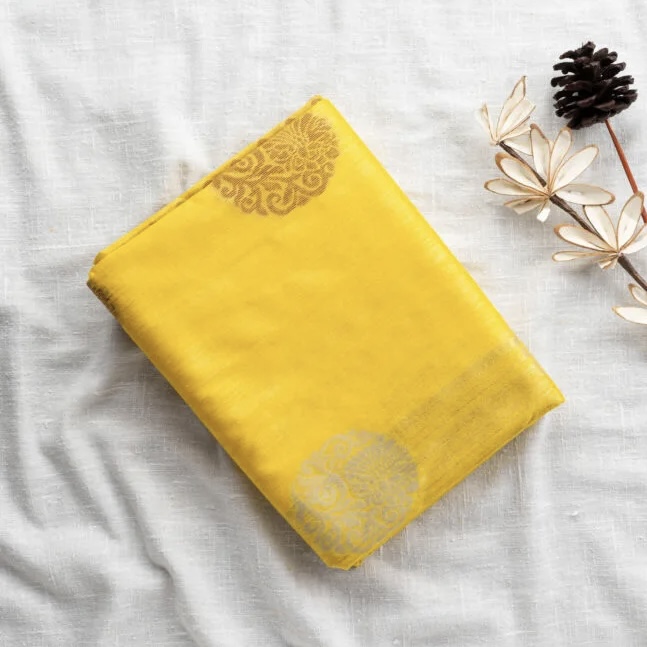
A well-fitted salwar suit with a dupatta is ideal when you expect walking, standing or a long darshan. Cotton, rayon and muslin are particularly comfortable choices; your research shows that breathability, softness and easy maintenance are important garment preferences.
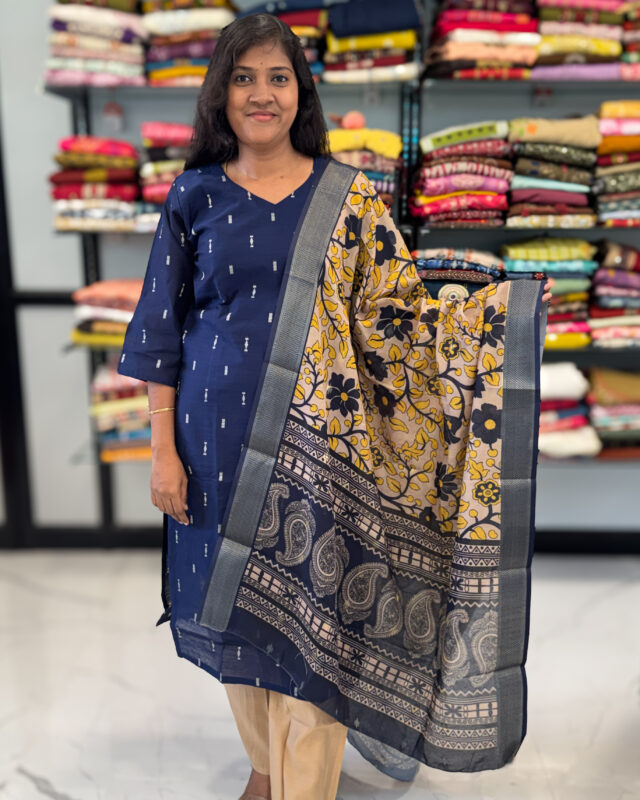
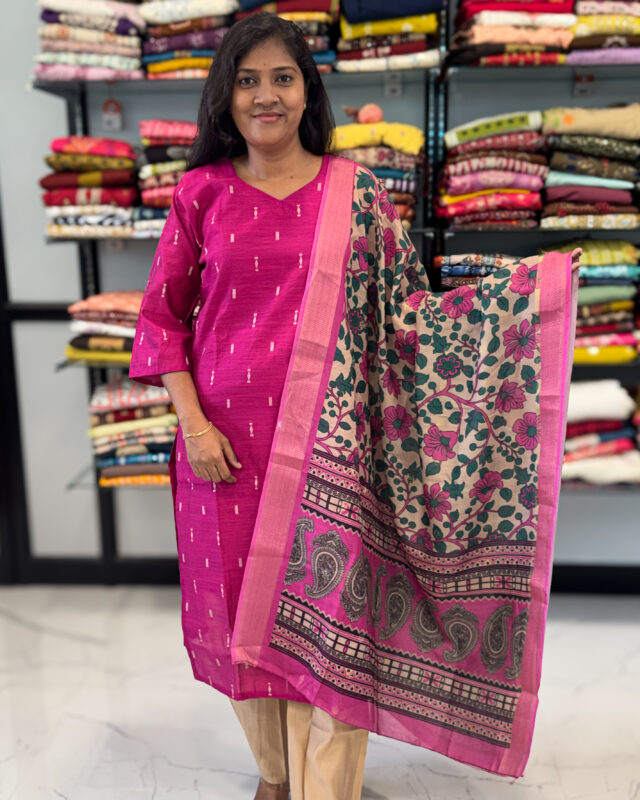
Colour traditions can vary by temple, region and family practice, so there is no universal Temple dress code requiring a particular colour every day. Treat these as commonly followed devotional associations rather than strict rules:
| Day | Common Colour | Often Associated With |
|---|---|---|
| Monday | White | Lord Shiva |
| Tuesday | Red / Orange | Hanuman / Devi traditions |
| Wednesday | Green | Budha-related traditions |
| Thursday | Yellow | Guru / Vishnu traditions |
| Friday | Red / Yellow / White | Lakshmi / Devi traditions |
| Saturday | Blue / Dark shades | Shani traditions |
Always follow the specific temple’s instructions first. For example, Tirumala Tirupati Devasthanams specifies saree or half-saree with blouse, or churidar with pyjama and upper cloth for women.
You don’t need heavy jewellery to look beautiful. Try:
Traditional outfit + small bindi + jasmine + simple earrings + neat hair = effortless temple elegance.
A beautiful outfit becomes a problem if you cannot comfortably walk, sit or stand. Choose breathable fabrics and avoid very heavy or restrictive clothing. Comfort is one of the strongest motivations identified in your customer research.
If you are planning a temple visit, choosing a beautiful outfit is only half the decision. The Temple dress code can vary from one temple to another, and an outfit that is perfectly acceptable at one temple may not be appropriate at another.
For South Indian women, this is especially important when visiting famous pilgrimage destinations where traditional attire is part of the temple experience.
Here are a few well-known examples:
Tirumala is one of the clearest examples of why women should check the Temple dress code before travelling. The official Tirumala Tirupati Devasthanams guidance recommends saree or half-saree with blouse, or churidar with pyjama and upper cloth for women. Tirumala Tirupati Devasthanams – Dress Code
What to wear: A traditional saree, half-saree or an elegant churidar with a properly draped dupatta.
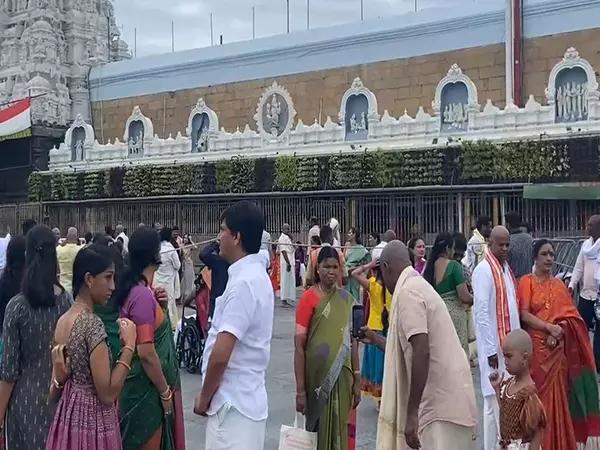
Guruvayur is another famous South Indian pilgrimage centre where traditional clothing is an important part of the temple experience. Kerala Tourism states that women can wear sarees, skirts with blouses or churidars. Kerala Tourism – Guruvayur Temple Dress Code
What to wear: A simple Kerala-style saree, cotton saree or traditional churidar can create a graceful and comfortable look.
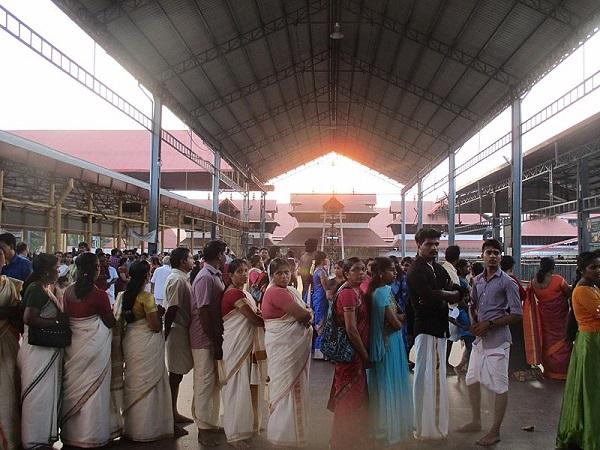
Sree Padmanabhaswamy Temple in Thiruvananthapuram is renowned for its strong traditional customs. Its dress requirements have evolved over time, so visitors should check the latest temple instructions before travelling rather than relying on older information.
What to wear: Choose traditional attire that complies with the temple’s current rules.
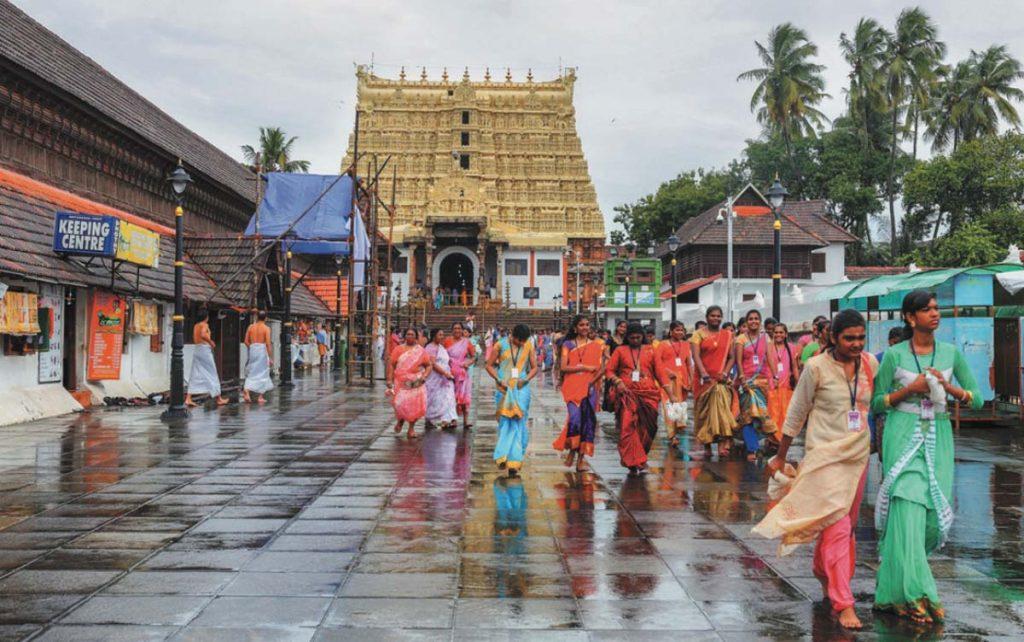
You can also mention temples such as:
However, I recommend not stating specific dress rules for these temples unless you verify their current official requirements, because temple policies and enforcement can change.
Whether you choose a cotton saree, elegant salwar suit or traditional ethnic set, the best outfit is one that makes you feel comfortable, respectful, confident and beautiful.
Because when you enter the temple with jasmine in your hair, a graceful traditional outfit and a peaceful heart, you don’t just look divine—you feel divine.
Looking for beautiful ethnic wear for your next temple visit? Explore comfortable sarees and salwar suits at SapienStyle.