✨ Elevate Your Everyday Style | 🚚 Free Shipping Across India | 💰 Cash on Delivery/ Partial payment Available
✨ Elevate Your Everyday Style | 🚚 Free Shipping Across India | 💰 Cash on Delivery/ Partial payment Available

We’ve all experienced that horrible moment.
You finally wear your favourite saree to a family function. Someone serves coffee. One tiny spill—and suddenly there’s a brown mark on your beautiful outfit.
Or perhaps it’s curry on your new kurti, lipstick on your salwar set, oil on your saree or turmeric on your favourite dress.
Your first thought?
“Oh no… I’ve ruined it!”
Not necessarily.
Before you throw your outfit into the washing machine—or decide it’s time to say goodbye—there are a few things you should know about using a stain remover for clothes.
The most important rule is simple:
Treat the stain according to the stain AND the fabric.
Different stains require different approaches, and delicate fabrics may need extra care.
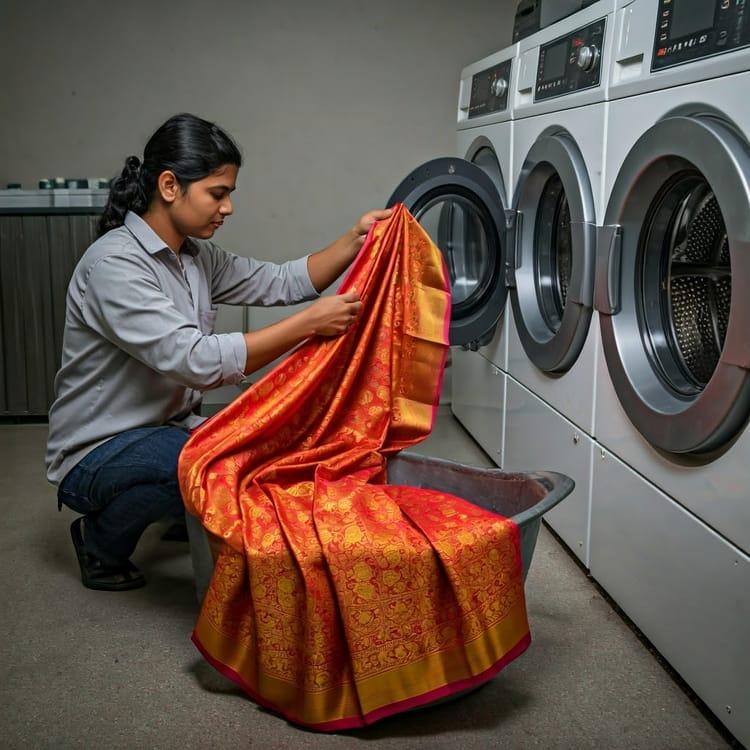
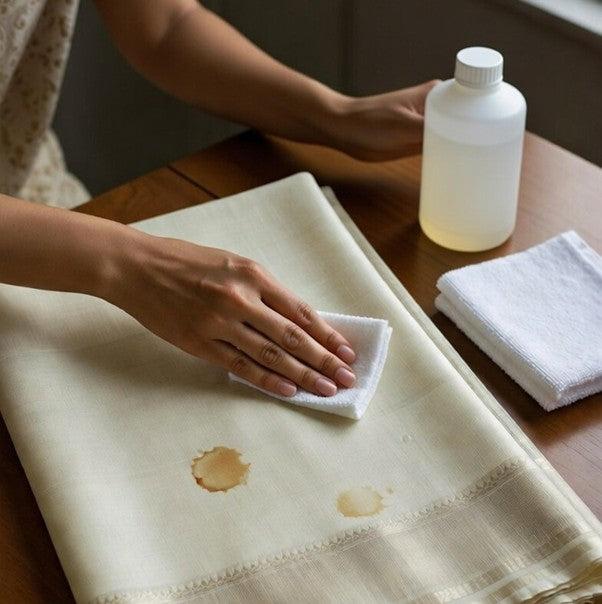
Tea and coffee are probably among the most common stains on everyday clothing.
The faster you act, the better.
Don’t let the stain sit unnecessarily.
The longer it remains, the harder it can become to remove.
For Indian households, this deserves its own section!
A tiny drop of curry or sambar can leave a surprisingly noticeable mark, particularly on light-coloured sarees, kurtis and salwar sets.
Turmeric-containing foods can be particularly stubborn. Don’t experiment with harsh chemicals on delicate, embroidered or colour-sensitive garments.
Oil stains are frustrating because they can leave a dark, greasy-looking patch even after washing.
If you notice an oil stain:
For delicate sarees, silk, zari or embellished garments, professional cleaning may be safer.
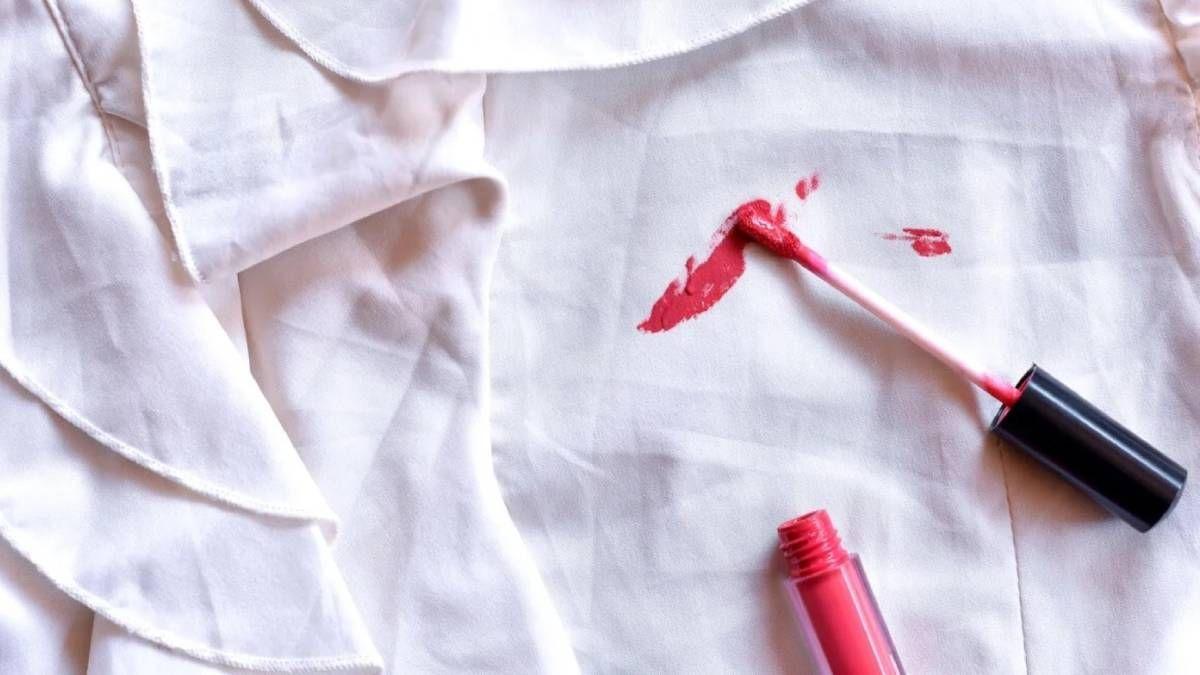
Getting lipstick on your clothes while getting ready is incredibly common.
It can happen while changing clothes, hugging someone or simply touching your face.
Foundation can leave visible marks around:
This is especially common when getting dressed after applying makeup.
Get dressed first and apply makeup afterwards whenever possible.
If a stain does occur:
A leaking pen in your handbag can quickly turn into a wardrobe disaster.
Ink stains can be difficult because different inks and fabrics react differently to cleaning agents.
When in doubt, stop experimenting.
Sometimes trying five different remedies can cause more damage than the original stain.
White clothing can develop yellowish marks, while dark clothing can develop visible white deodorant residue.
For stubborn marks, choose a treatment designed for the specific fabric rather than using harsh bleaching products indiscriminately.
Festivals, birthdays and family gatherings often mean sweets and desserts.
Chocolate can leave both a visible mark and an oily residue.
Turmeric is beautiful on food but not always on clothes!
A small splash can quickly become noticeable on lighter garments.
If turmeric gets onto your outfit:
If you’re wearing a light-coloured outfit while preparing food, consider using an apron or an older garment during cooking.
Your beautiful festival outfit will thank you!
Picnics, outdoor celebrations, garden parties and children’s activities can leave green marks on clothing.
This is the most frustrating one.
You discover a mark on your outfit but have no idea where it came from.
Don’t panic.
Sometimes doing less is better than doing too much.
Before treating any stain, remember these simple rules:
Don’t experiment on expensive silk, zari or heavily embellished clothing.
Don’t aggressively scrub delicate fabrics.
Don’t mix different cleaning chemicals.
Don’t assume every home remedy is safe.
Don’t use excessive heat on an untreated stain.
Here’s where extra care matters.
A simple cotton kurti may tolerate regular washing, while a delicate saree with zari, embroidery or special finishing may require a completely different approach.
Before using any stain remover for clothes, consider:
| Clothing | Extra Care |
|---|---|
| Cotton Kurti | Usually easier to maintain |
| Cotton Salwar Set | Follow fabric care instructions |
| Rayon | Avoid harsh treatment |
| Printed Clothing | Protect colour from aggressive products |
| Silk Saree | Extra caution recommended |
| Zari Saree | Professional care may be preferable |
| Embroidered Outfit | Avoid aggressive rubbing |
| Delicate Fabrics | Follow manufacturer’s instructions carefully |
Sometimes the smartest stain-removal strategy is preventing the stain in the first place.
Before wearing your favourite outfit to a celebration:
These tiny habits can save your favourite outfits from unnecessary damage.
Choosing the right stain remover for clothes depends on the type of fabric and the stain you are dealing with. A solution that works well on cotton may not be suitable for silk, zari, or embroidered fabrics.
When choosing a stain remover for clothes, consider:
For your favourite sarees, kurtis, and festive outfits, using a gentle stain remover for clothes can help preserve the fabric’s appearance without unnecessary damage.
Taking care of your clothes helps you enjoy them for longer.
At SapienStyle, we believe beautiful fashion should be something you can enjoy—not something you are afraid to wear.
Whether you’re looking for:
choose pieces that fit naturally into your lifestyle and can be enjoyed for many occasions.
A beautiful outfit doesn’t have to be reserved for “special days.”
Wear it. Enjoy it. Make memories in it. And take good care of it.
A stain can feel like a disaster when it lands on an outfit you love. But before you decide that your favourite saree, kurti or salwar set is ruined, take a breath.
Identify the stain. Check the fabric. Read the care label. Treat it carefully—and know when it’s better to leave delicate garments to a professional.
The right stain remover for clothes can help with many everyday accidents, but the right treatment depends on the fabric and the type of stain.
And perhaps that’s the most important lesson:
Don’t throw away a beautiful outfit because of one little accident.
Your favourite clothes are more than pieces of fabric. They may be the saree you wore to your sister’s wedding, the kurti you bought for your first office celebration, or the dress you wore when your family took that unforgettable photograph.
Take care of your clothes, and they’ll be there for many more beautiful moments.
Explore the latest women’s fashion collection at SapienStyle and find beautiful outfits you’ll love wearing—and caring for.